
Case Study – COVID Tracker

Background
California Senate Bill 1159 requires employers to provide and determine whether an illness due to COIVD-19 is an injury for workers compensation purposes. As a result, our policyholders (the employers) need to provide a record of all positive COVID-19 cases from 7/6/2020 and on.
Challenges
For BHHC 
- Heavy manual effort required in combining multiple spreadsheets received from policyholders
- Form versioning would be difficult to roll out
- Text heavy documents ended up not being read, resulted in increased customer calls
For Our Policyholders
- Difficult to track submitted records
- Each submission requires emailing BHHC without knowing whether the document is received
- Too many rules to remember and no reminders throughout the filing experience
- Many different form versions to manage
Current Experience

Task
I was successful in leading this project by understanding the pain points from both our internal teams and our policyholders. The goal was to quickly produce a design strategy in order to roll the new platform out within the reduced timeline.
Actions
Within this limited timeframe, I completed the following:

Stakeholder Interviews
- We learned that since the SB1159 was signed in September, over 600 policyholder accounts have already complied with the report practice and started sending us reports.
- But that number only accounted for approximately 10% of all accounts, and we needed to expedite this process in order to make every account compliant.
- Manual effort was the main force keeping our record data up to date. However, because policyholders could easily change the Excel format before sending it to us, compiling the data was an extremely taxing task for our team members. Not to mention it was difficult to collaborate with multiple team members throughout the process.

User Research
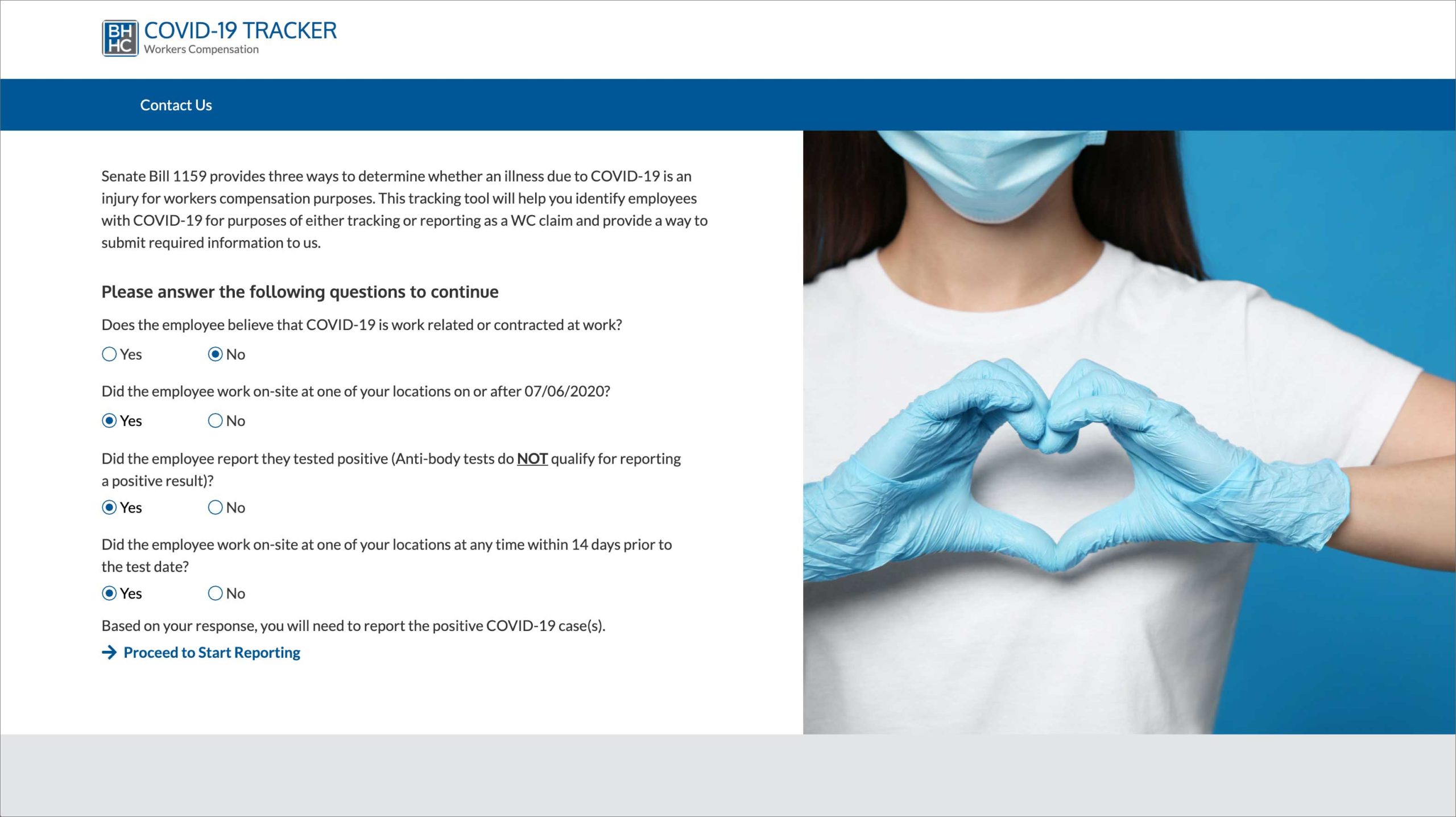
- After talking to our customer care team, we realized that many of our policyholders called because it was unclear when to report and what type of cases they needed to report. Although the instructions are well written within the Excel sheets, we found that the lengthy explanations made it hard for our users to digest.
- We also learned that although our internal team has updated our policyholders with the new forms whenever available, but not all policyholder account users were made aware. One account can have multiple users managing the reporting process, making it difficult to ensure everyone has the latest version.
Concept explorations
A few rounds of possible solutions were explored before I landed on the experience my team was happy with.
Round 1 Starting with a basic modal component
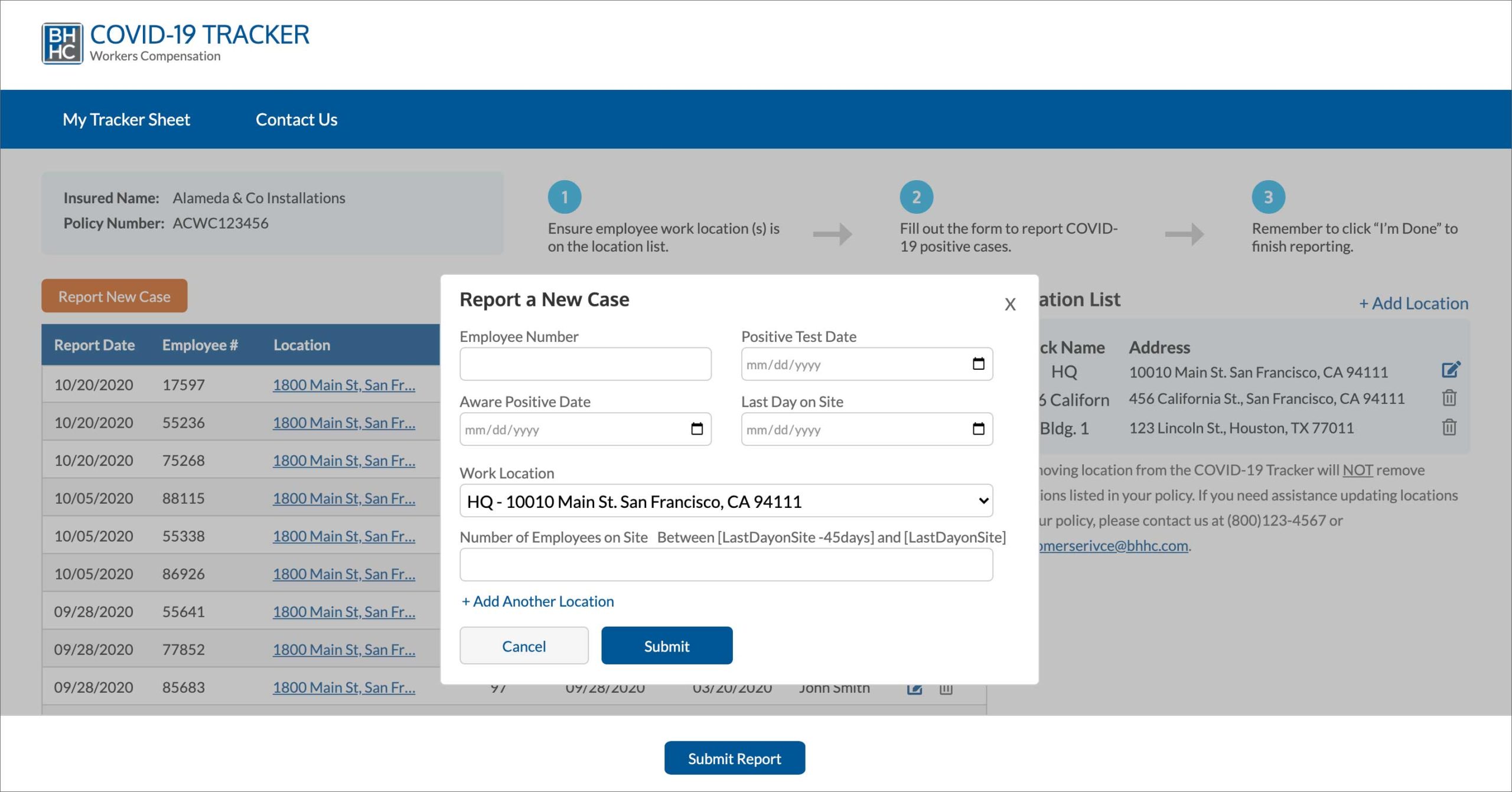
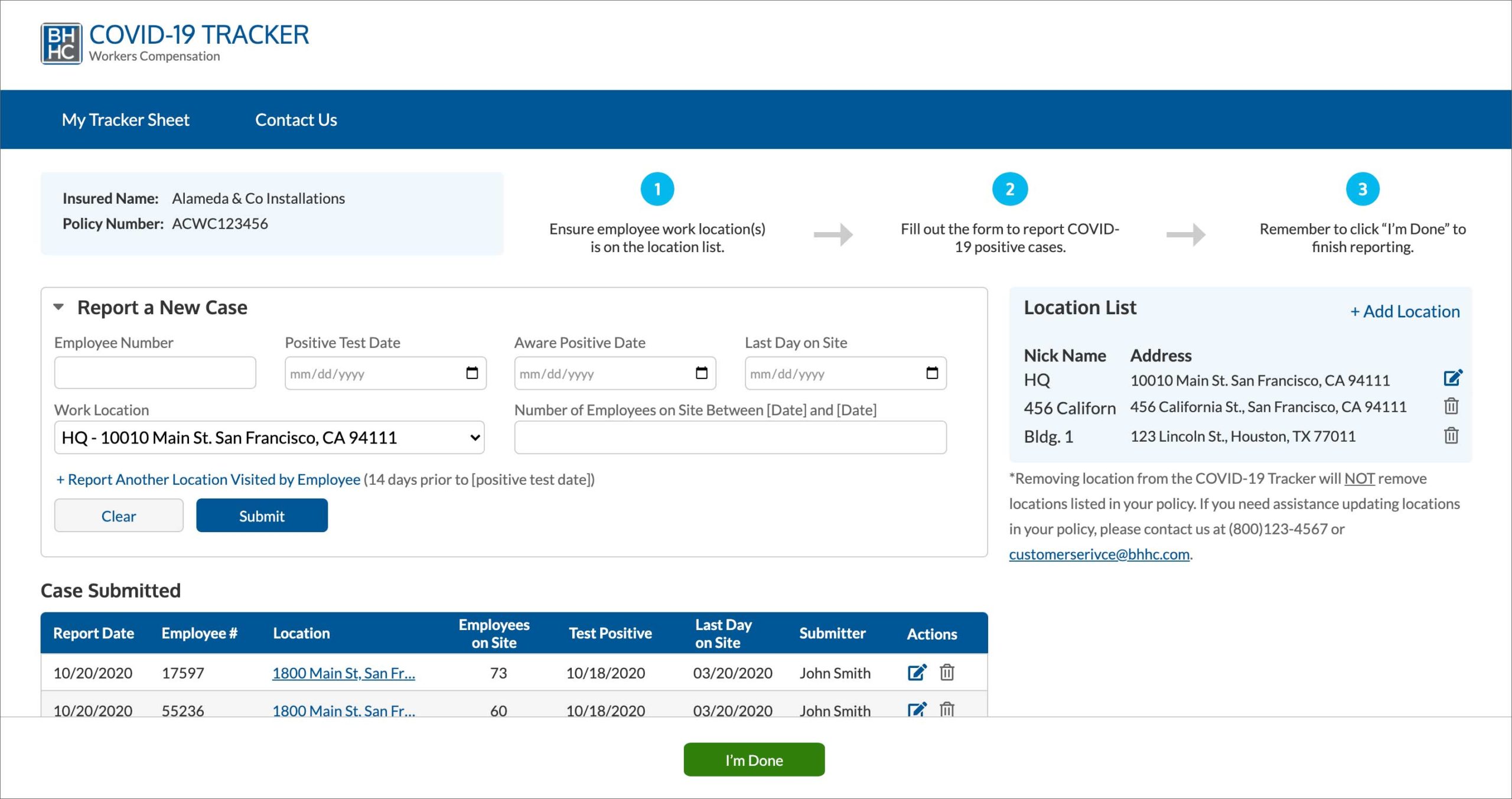
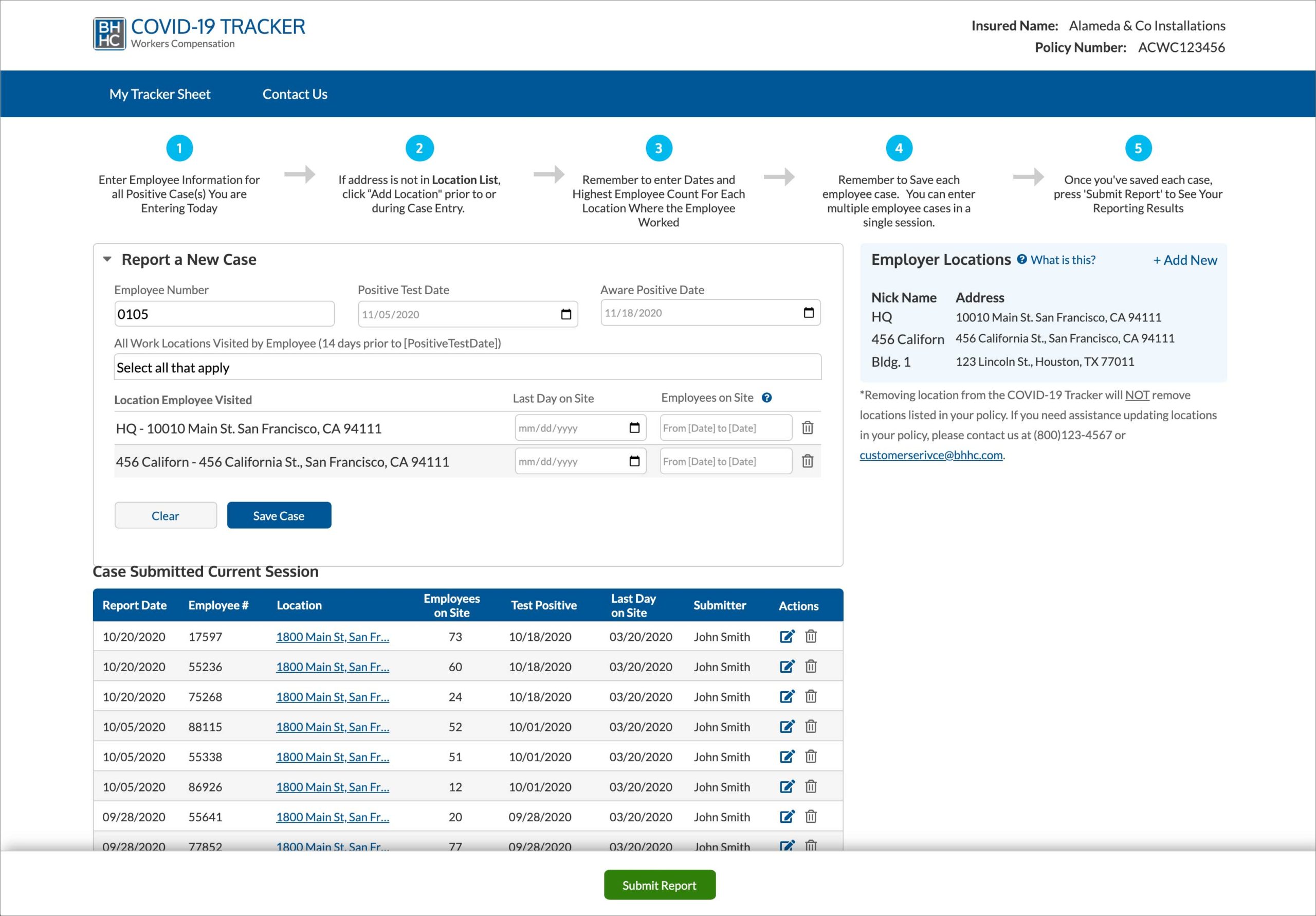
Round 2 Removed the modal and integrated the interaction into the current experience.
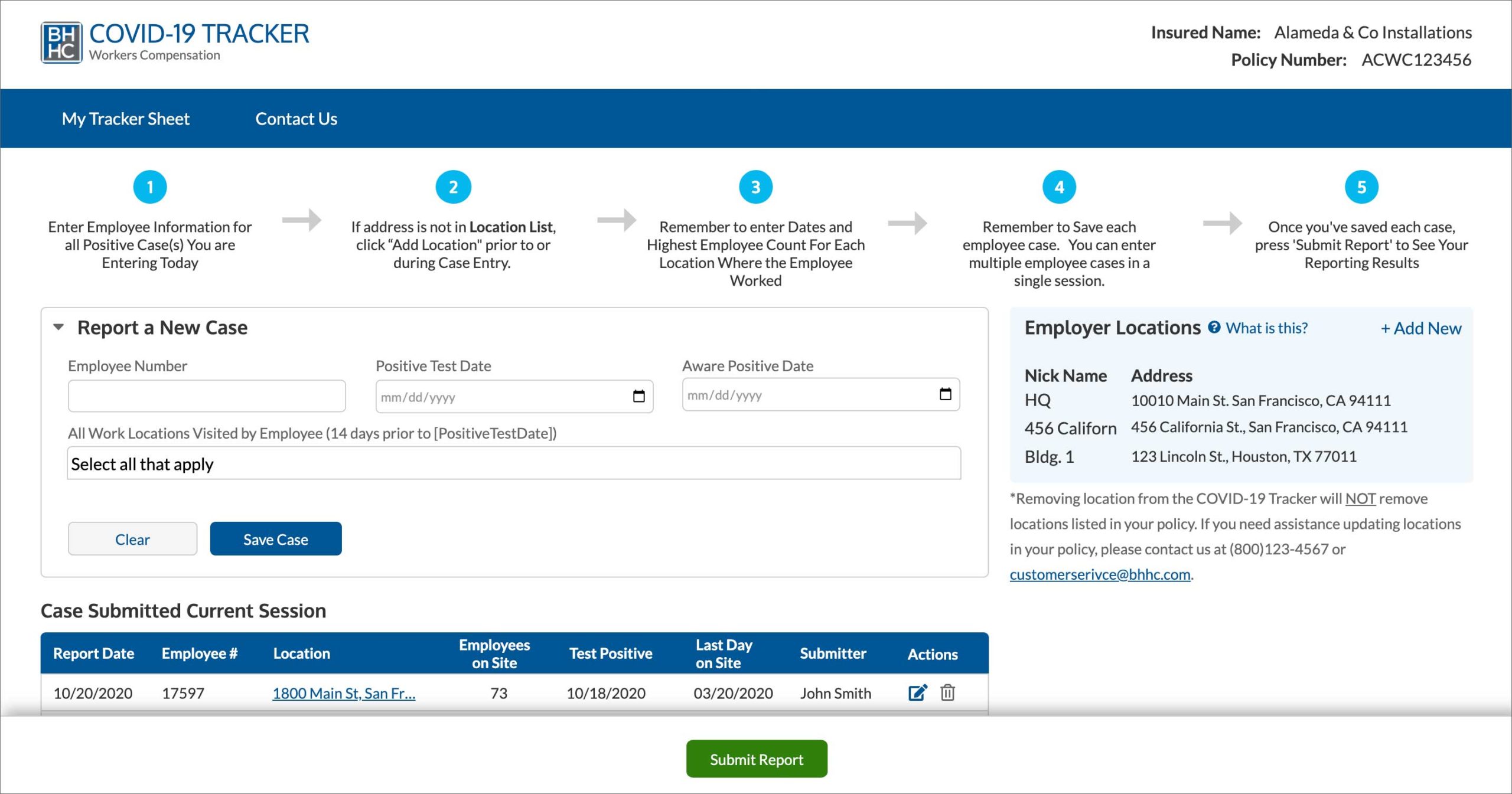
Round 3 Reordered information hierarchy and added additional steps to better illustrate the process.
Refinement & Buy-In
Multiple rounds of discussion on verbiage and colors also took place to ensure we are bringing clear instructions to aid our users to fill the forms correctly.
Future Roadmap
Although we are set on our MVP (minimal viable product) version, it doesn't stop there. Future planning has also started to include an interface that can help our internal team members to pull up a report quickly and easily. Our aim is to deliver an efficient experience for both sets of users.
Result
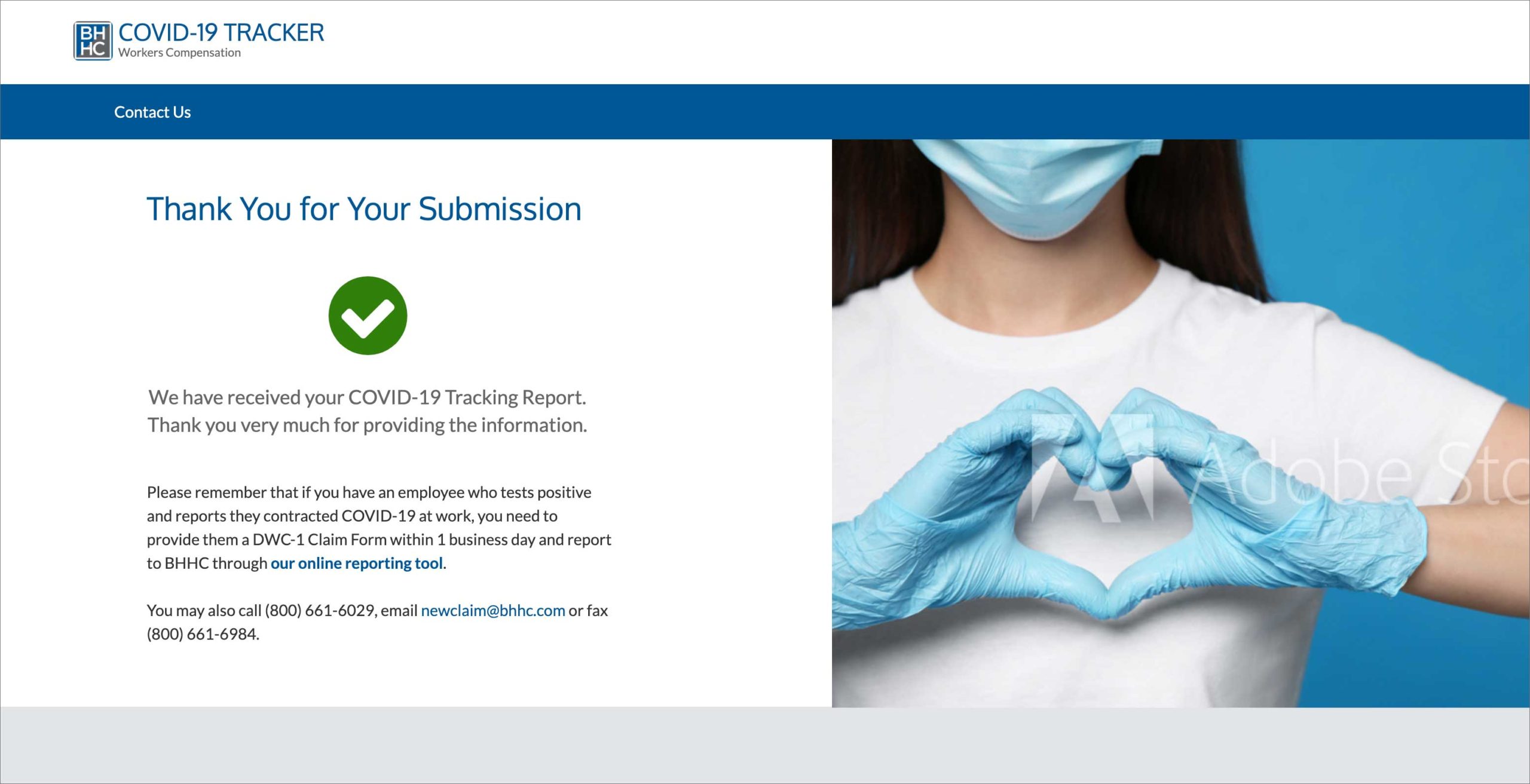
*Note: although the prototype is build upon Bootstrap's Grid system with responsiveness in mind, this prototype may not demonstrate the responsive experience.
Learnings
- Because I had previously established standard design styles, this project was able to move forward with speed. This proved to be a great an example of how building a modular design system can decrease the production cost. It also proved to my partners that we need to expand the available component library and test more frequently.
- People are the keys for success. Trust is essential to build relationship. This is true when working with any internal team. Building on my past experience working with this team, I was able to understand what the business unit wanted to achieve and they trusted me to translate their needs into the digital experience. As a result, we were able to bypass a few rounds of revision and focus on the details quickly. This was a win-win for both business and design teams.
Description
Berkshire Hathaway Homestate Companies
The Covid Tracker is a project that moves the manual spreadsheeting process to an online interface that helps employers to determine whether an outbreak occurred at their work locations. By moving the process online, it makes data tracking smarter, and content versioning much easier.